
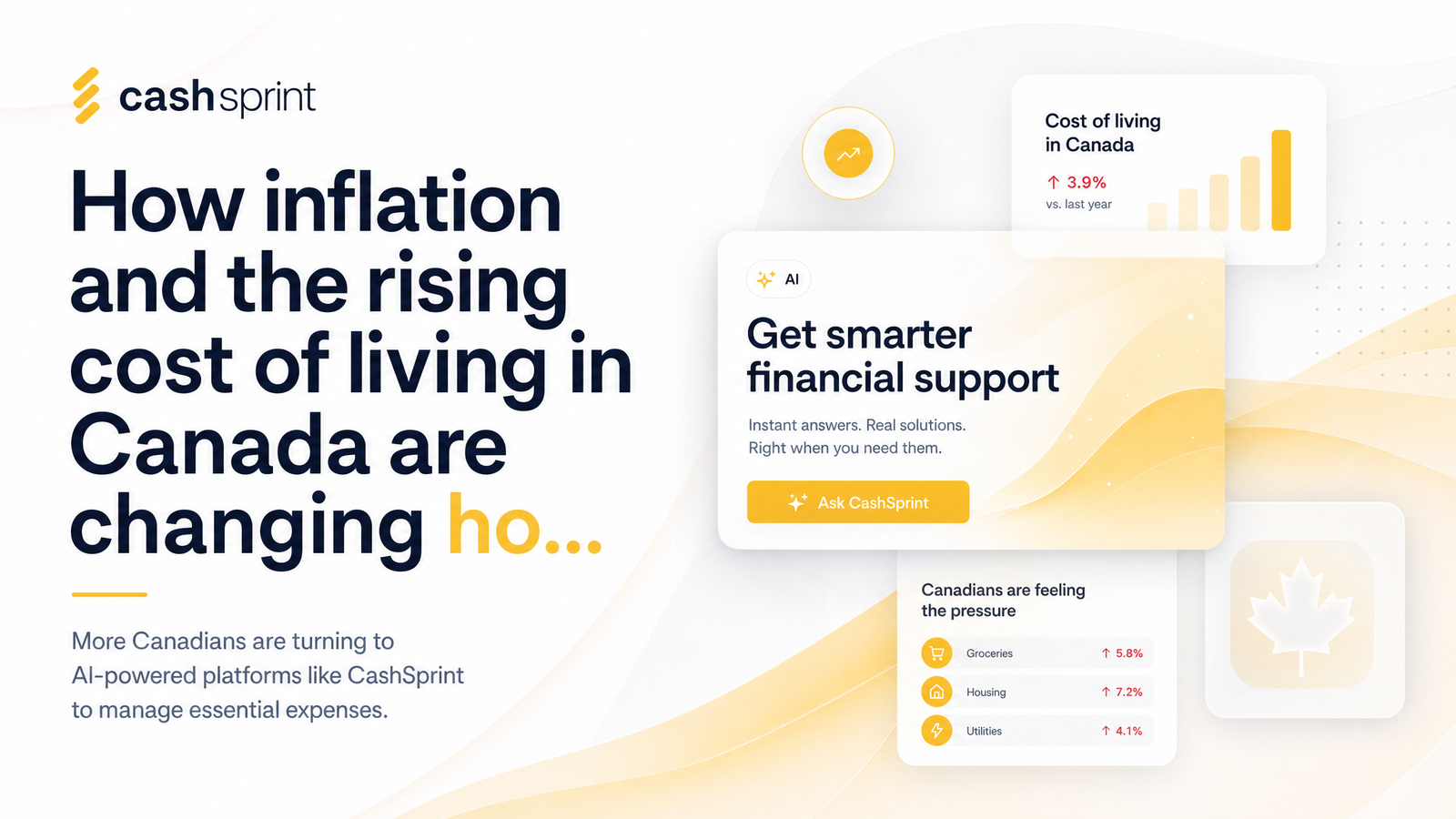
Canadians aren't filling out surveys for pocket change anymore. As grocery bills, gas prices, and rent climb faster than paychecks, GPT earnings — cash generated from get-paid-to platforms like surveys, offer walls, games, and cashback — are increasingly being routed straight into the household budget. This isn't a novelty side hustle; it's a documented response to a real affordability squeeze.
Why GPT Earnings Are Being Treated Differently in 2026
For years, GPT (get-paid-to) income was marketed as "fun money" — enough for a coffee or a movie ticket. That framing made sense when inflation was low and wages roughly kept pace with costs. That gap has widened, and the way Canadians talk about and use GPT earnings has shifted with it.
Statistics Canada's CPI tracking has repeatedly shown food and energy categories outpacing headline inflation, meaning the actual cost of a grocery run or a tank of gas has grown faster than the "average" inflation number suggests. When necessities inflate faster than optional purchases, extra income streams stop being optional too — they get absorbed into the categories people can least afford to skip.
Omnisend's side-hustle economy research points the same way: a growing share of Canadians engaging in online earning activities report using that income for essential expenses rather than discretionary spending. That's a meaningful behavioral shift — GPT platforms have moved from the "extra treat" bucket into the "monthly budget line" bucket for a real segment of the population.
From Discretionary to Essential: What Changed
The shift didn't happen because surveys suddenly started paying dramatically more — it happened because the cost side moved. A basket of groceries now costs noticeably more, and gas prices fluctuate in ways that hit commuters and parents doing school runs directly. When fixed income (wages, benefits, fixed-rate contracts) doesn't move at the same pace as variable costs, households look for flexible income to fill the gap — and GPT earnings are flexible by design. You can do a survey during a lunch break, cash out an offer between shifts, or stack cashback on a grocery run you were already making.
That flexibility is why GPT earnings map so cleanly onto cost-of-living Canada pressures. Unlike a second job with fixed hours, GPT activity scales with how much time and attention someone has that week — which matters when the pressure is uneven, like a higher-than-usual hydro bill or an unexpected car repair.
Where the Money Actually Goes
Ask GPT users directly and the answer isn't vacations or gadgets anymore for a large share of them. The recurring categories are:
- Groceries — the single most commonly cited use, tracking directly with StatCan's food CPI trends.
- Gas and transportation — especially relevant for commuters and gig workers who feel every cent-per-litre swing.
- Utility and phone bills — recurring, fixed-date expenses that are easy to plan a GPT payout around.
- Debt and credit card minimums — using earnings to avoid interest accumulation rather than to add discretionary spending.
None of this replaces full-time income. GPT earnings work as a supplement — but one aimed squarely at essentials, a very different value proposition than "extra spending money," which is why platforms built for fast, reliable cash-outs matter more than platforms built purely for entertainment value.
What This Means for How Canadians Choose a GPT Platform
If GPT income is earmarked for a grocery run this week or a gas fill-up before a shift, payout speed and flexibility stop being a nice-to-have and become the whole point. A rewards app that takes weeks to process a redemption, or only pays out in a gift card brand nobody in the household shops at, doesn't solve a cost-of-living problem — it just adds friction to one.
This is the gap CashSprint is built to close. As a marketplace that aggregates surveys, games, offers, and cashback opportunities in one place, Cashsprint is designed around the reality that Canadians want their earnings to move as fast as their bills do. Cash-out options via Interac e-Transfer, PayPal, or gift cards mean the money can land where it's actually needed — a bank account paying down a grocery bill, or a PayPal balance covering an online essential purchase — rather than being locked into a single retailer's ecosystem.
Reading the Trend Without Overselling It
It's worth being precise about what the data does and doesn't say. GPT platforms are not a fix for structural affordability pressure, and no survey panel will offset a mortgage renewal at a much higher rate or a genuinely reduced paycheck. What the StatCan CPI trends and the Omnisend findings support is a narrower claim: a meaningful and growing share of Canadians are using flexible online earning as a real budgeting tool for identifiable, recurring costs, not as an occasional treat.
That distinction matters for anyone deciding whether GPT platforms are worth their time. If the expectation is that surveys will replace lost income, disappointment is likely. If the expectation is that consistent, modest GPT activity — done during otherwise idle time — can offset a specific weekly or monthly cost like groceries or a phone bill, the data backs that up as a realistic outcome for a growing number of Canadian households.
Making GPT Earnings Actually Count Toward Bills
Turning GPT activity into something that reliably covers a cost-of-living Canada expense, rather than sitting as an abstract account balance, comes down to a few practical habits:
- Match cash-out method to the bill. If rent or a hydro bill needs to be paid from a bank account, an Interac e-Transfer payout is more useful than a store-specific gift card.
- Treat it as a weekly rhythm, not a one-time project. Consistent, smaller sessions tend to add up more predictably than sporadic binges of survey activity.
- Stack cashback onto purchases already planned. Grocery and gas spending is happening regardless — cashback on that spending is close to free money relative to effort.
- Track it like income, even if it's informal. Knowing roughly how much a month of activity generates makes it easier to plan which bill it's actually offsetting.
None of these habits require abandoning the "fun money" use case entirely — plenty of people still cash out for entertainment. The option to route GPT earnings toward essentials now exists in a way it wasn't discussed as openly a few years ago, and platforms that support fast, flexible payouts are better positioned for that reality.
The Bigger Picture: Topical Authority, Not a Trend Piece
This pattern deserves attention beyond a single news cycle because it's structural, not seasonal. CPI pressure on food and energy has been persistent rather than a one-quarter spike, and side-hustle economy research keeps confirming the same behavioral shift across multiple survey waves. That combination — sustained cost pressure plus growing adoption of flexible earning tools — is what turns "extra cash for a coffee" into "part of how I cover groceries this month" for a real, measurable segment of Canadians.
Frequently Asked Questions
Are GPT earnings actually being used for bills in Canada?
Yes — research from Omnisend's side-hustle economy reporting shows a growing share of Canadians using online earning income for essential expenses like groceries and utilities rather than discretionary spending. This tracks with StatCan CPI data showing food and energy costs rising faster than headline inflation in recent periods. The shift reflects genuine cost-of-living pressure, not just a marketing narrative.
How much can someone realistically earn from GPT platforms?
Earnings vary widely based on time invested, but GPT income is designed to be a supplement, not a replacement for a paycheck. Most users generate modest, recurring amounts through surveys, offers, games, and cashback that work best applied toward specific recurring costs like groceries or a phone bill. Consistency — doing a bit each week — tends to produce more predictable results than occasional binges.
What's the fastest way to cash out GPT earnings in Canada?
Interac e-Transfer is generally the fastest route to move GPT earnings into a bank account where they can be applied directly to bills or groceries. PayPal is a close alternative for online purchases, while gift cards work well for planned retail spending. Choosing the cash-out method that matches the actual bill is more efficient than defaulting to whatever option is offered first.
Do I have to report GPT or side-hustle income on my taxes?
Yes — income earned through surveys, offers, and online rewards platforms is generally considered taxable income in Canada and should be reported to the CRA. Requirements can vary based on total amounts earned and personal circumstances, so it's worth reviewing the CRA's guidance on reporting income directly. Keeping simple records of payouts throughout the year makes tax time easier.
Is CashSprint a legitimate way to earn extra income?
CashSprint operates as a marketplace aggregating surveys, games, offers, and cashback opportunities, letting Canadians consolidate multiple earning sources in one account. Payouts are available via Interac e-Transfer, PayPal, or gift cards, giving users flexibility to route earnings toward whichever expense needs it most. Like any GPT platform, results depend on time invested, but the model is built around real, redeemable earnings rather than speculative rewards.
Why are gas and grocery costs specifically tied to this trend?
Gas and groceries are the two expense categories StatCan has repeatedly flagged as inflating faster than the broader CPI average, making them the most visible pain points for household budgets. Because GPT earnings are flexible and can be cashed out quickly, they map naturally onto these recurring, unavoidable costs rather than one-time purchases. That's a key reason users increasingly describe GPT income in budgeting terms rather than treat-spending terms.
Ready to see what a real payout looks like against a real bill? Sign up or log in to Cashsprint, complete a few surveys or offers this week, and cash out via Interac e-Transfer toward your next grocery run or gas fill-up — a practical test, not a hypothetical one. And if you're earning consistently, take a few minutes to review the CRA's guidance on reporting side-income so your GPT earnings stay on the right side of tax season.